
Touch concept exhibition design services enhance brand identity by creating immersive, tactile experiences that engage multiple senses. These designs foster emotional connections and improve brand recall through authentic, interactive elements and intuitive layouts. By integrating technology and encouraging exploration interior design exhibition, they transform spectators into active participants. Measuring factors like engagement and emotional response helps refine future exhibitions for greater impact. Exploring these principles reveals how such designs effectively elevate brand experiences and audience loyalty.
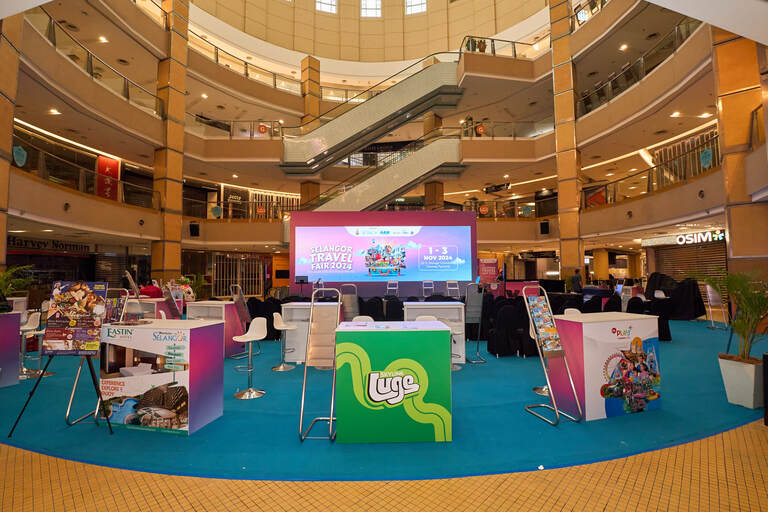
Benefits of Touch Concept Design for Your Brand
Although often overlooked, touch concept design plays an essential role in shaping a brand’s identity by creating tangible and memorable experiences. This approach allows brands to engage audiences beyond visual or auditory stimuli, making interactions more immersive and personal.
By incorporating tactile elements, brands foster deeper emotional connections, encouraging customers to explore and interact freely. This sensory engagement enhances recall and loyalty exhibiton booth design malaysia, setting a brand apart in competitive markets.
Additionally, touch concept design supports versatile storytelling, allowing brands to communicate values and messages through physical interaction. Ultimately, this design strategy empowers brands to break free from conventional marketing constraints, offering audiences a more authentic and liberating experience that resonates on a fundamental human level.
Key Elements That Make Touch Concept Exhibitions Stand Out
Touch concept design transforms brand interactions by engaging the sense of touch, creating memorable and immersive experiences. Key elements that make these exhibitions stand out include tactile materials chosen for their texture and quality, fostering authentic sensory engagement.
Spatial layout encourages natural movement, allowing visitors to explore freely and discover at their own pace. Clear, minimalistic signage supports intuitive navigation without restricting freedom. The integration of multisensory components complements touch, enhancing overall immersion without overwhelming.
Attention to lighting and color enhances material appeal and mood, subtly guiding focus while preserving open exploration. These elements collectively prioritize user autonomy, encouraging personal connections with the brand through direct, unrestricted interaction.
This approach guarantees exhibitions resonate deeply, leaving lasting impressions that extend beyond visual appeal alone.
Interactive Design Elements That Deepen Audience Connections
Numerous interactive design elements contribute considerably to strengthening audience engagement by fostering active participation and emotional connection. Tactile interfaces invite users to explore freely, breaking traditional passive viewing and encouraging personal discovery.
Immersive environments, through sensory stimuli like touch-responsive surfaces and dynamic visuals, create memorable experiences that resonate on an individual level. Real-time feedback mechanisms empower visitors, providing a sense of control and immediate gratification.
Customizable interactions respect the audience’s desire for autonomy, allowing each person to tailor their journey. Integrating technology such as gesture recognition or augmented reality further deepens engagement by transforming passive spectators into active participants.
These design choices collectively cultivate meaningful connections, enhancing brand recall and loyalty without imposing restrictive pathways, thereby honoring the audience’s quest for exploration and self-expression.
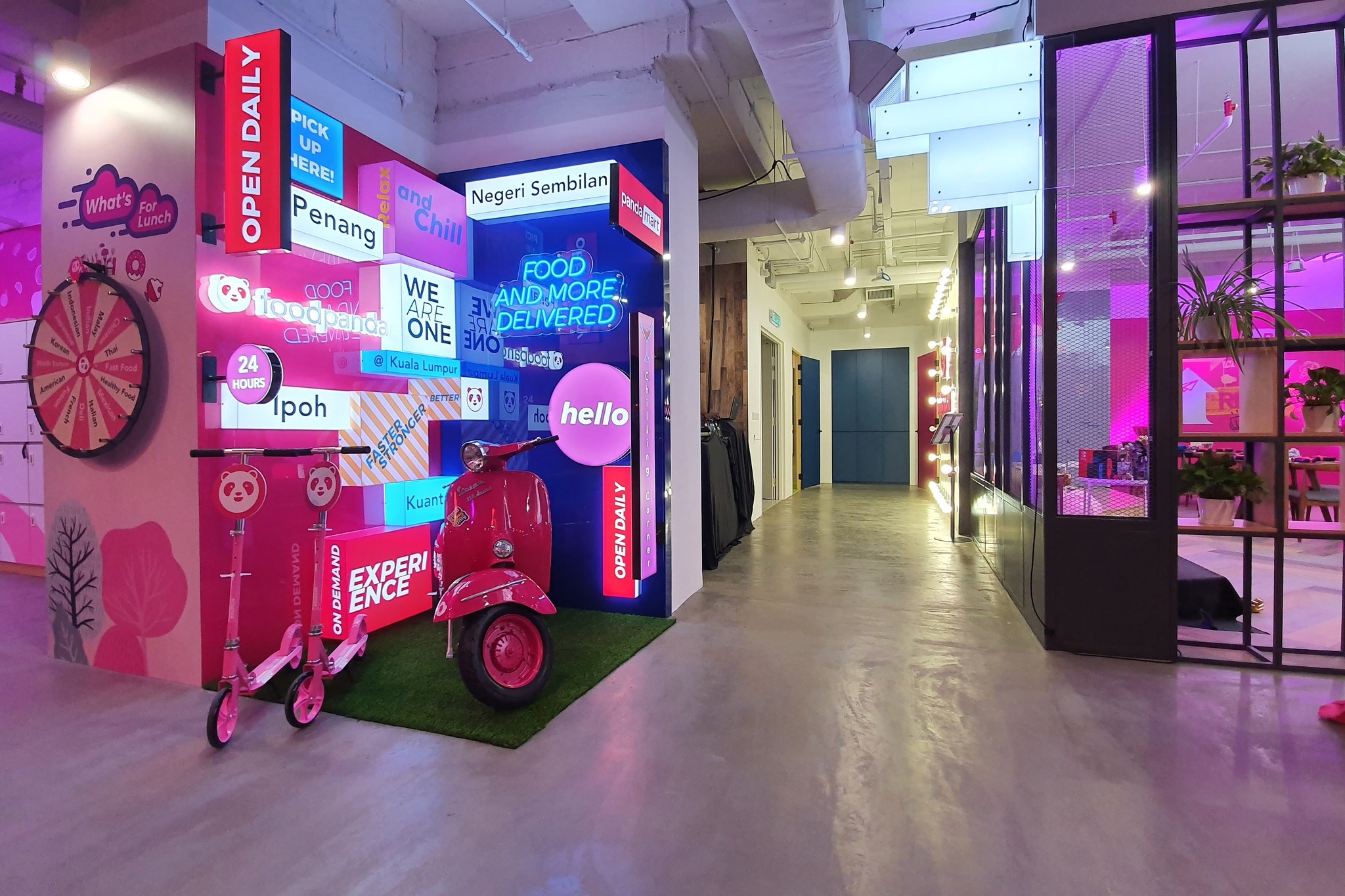
Choosing the Right Touch Concept Design for Your Event Goals
How can event organizers select the most effective touch concept design to align with their specific goals? The process begins by clearly defining the desired outcomes—whether increasing brand awareness, fostering engagement, or driving conversions.
Understanding the target audience’s preferences and behaviors is essential to tailoring interactive elements that resonate authentically. Organizers should evaluate various touchpoints, from tactile installations to digital interfaces, considering their capacity to evoke emotional responses and facilitate meaningful interactions.
Flexibility in design allows adaptation to evolving event dynamics, ensuring relevance and impact. Prioritizing simplicity and intuitive usability empowers attendees to explore freely, enhancing overall experience quality.
Ultimately, choosing the right touch concept design balances strategic intent with creative freedom, enabling brands to connect with audiences in memorable, purpose-driven ways.
Measuring the Impact of Touch Concept Exhibitions
Why assess the effectiveness of concept exhibitions in brand experiences? Measuring their impact provides clear insights into how well these tactile interactions resonate with audiences.
It allows brands to evaluate engagement levels, emotional connections, and recall rates, ensuring resources are wisely invested. Metrics such as visitor feedback, dwell time, social media activity, and sales influence reveal the exhibition’s true value.
This data empowers decision-makers to refine future designs, enhancing authenticity and relevance. For brands seeking freedom from guesswork, this measurement fosters informed creativity, enabling adaptive strategies that align with evolving consumer desires.
Ultimately, quantifying impact transforms touch concept exhibitions from isolated events into dynamic, evolving experiences that cultivate lasting brand loyalty and meaningful connections.
Conclusion
Touch concept exhibition design offers brands a dynamic way to engage audiences through immersive, interactive experiences. By incorporating tactile elements, these exhibitions enhance emotional connections and brand recall. Careful selection of design features aligned with event goals guarantees meaningful participation. Measuring impact through audience feedback and engagement metrics validates effectiveness. Ultimately, touch concept design elevates brand presence, fostering deeper relationships and memorable interactions that distinguish brands in competitive markets.